


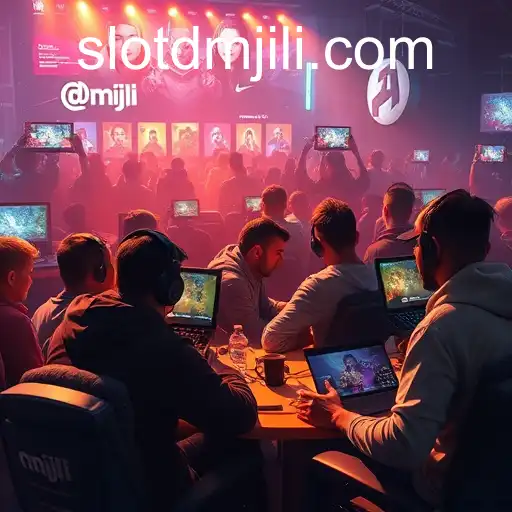
In recent years, the landscape of online gaming has transformed dramatically, driven by the rise of virtual platforms and community engagement. At the forefront of these developments is "dmjili," a thriving hub for gamers seeking both competition and camaraderie. This platform exemplifies the shift in gaming culture, where players are not just users but active members of dynamic, global communities.
The power of "dmjili" lies in its ability to foster a sense of belonging among its users. In today's world, where digital interactions often replace face-to-face communications, online gaming communities offer a unique space for social engagement. Players from different corners of the world come together, form friendships, and work collaboratively towards common goals, often across different time zones and cultural backgrounds.
As the year 2026 unfolds, the gaming industry continues to ride the wave of technological advancements. Platforms like "dmjili" integrate cutting-edge features, such as VR and AI, to enhance user experience and engagement. This evolution not only broadens access to gaming but also democratizes it, providing opportunities for more people to participate and contribute.
Moreover, reports indicate an increasing trend in gamer advocacy, with these communities playing significant roles in influencing game development and market trends. The vocal presence of online communities demands more inclusivity and diversity in game content, which developers increasingly accommodate to maintain user loyalty.
Commentary from industry analysts highlights the significance of platforms like "dmjili" in shaping the future of digital entertainment. By providing spaces for interaction, creativity, and even educational opportunities, these platforms transcend traditional boundaries of gaming.
In conclusion, the evolving dynamics of online gaming communities, exemplified by "dmjili," are reshaping entertainment, offering a preview of what the gaming world may look like in the coming years. As more people embrace these virtual spaces, they not only redefine gaming but also contribute to the broader narrative of digital socialization.